Digital Transformation Roadmap: Strategy Roadmap & Agile Ecosystem Guide
Discover how a digital transformation roadmap guides legacy system modernization and IT infrastructure replacement, with practical steps, benefits, and best practices.
Building a digital transformation roadmap is essential for any organization aiming to stay competitive and relevant. With the rapid rise of digital change, businesses are looking for new ways to integrate technology, improve customer experiences, and drive business value. In this blog, you will learn what a digital transformation roadmap is, why it matters, and how to create one that aligns with your business goals. We’ll cover key steps, benefits, challenges, and best practices, including how legacy system modernizationand IT infrastructure replacement
Understanding the digital transformation roadmap
A digital transformation roadmap is a step-by-step plan that guides your business through adopting new technologies and processes. It helps you align your organizational goals with technology investments, ensuring every step supports your overall business model. By following a clear roadmap, you can avoid common pitfalls, manage risks, and make sure all stakeholders are on the same page.
This roadmap is not just about technology. It covers people, processes, and culture. When you build a digital transformation roadmap, you’re setting a timeline for change, defining key metrics, and creating a path to measurable business value. Whether you’re modernizing legacy systems or introducing AI and analytics, a roadmap helps organizations make smart, data-driven decisions.
Key steps for a successful strategy roadmap
A well-structured strategy roadmap is the backbone of any digital transformation effort. Here are the most important steps to ensure your roadmap delivers results:
Step 1: Define your vision and objectives
Start by clarifying what you want to achieve. Set clear, measurable goals that support your business strategy. This will help you focus your efforts and track progress.
Step 2: Assess your current state
Evaluate your existing IT infrastructure, processes, and skills. Identify gaps and areas where legacy system modernization or IT infrastructure replacement is needed.
Step 3: Engage stakeholders early
Bring in key stakeholders from across your organization. Their input will help you align your digital transformation roadmap with business needs and avoid resistance to change.
Step 4: Prioritize initiatives
Not every project can happen at once. Use business value and impact as criteria to prioritize which initiatives to tackle first. This keeps your roadmap realistic and achievable.
Step 5: Set a realistic timeline
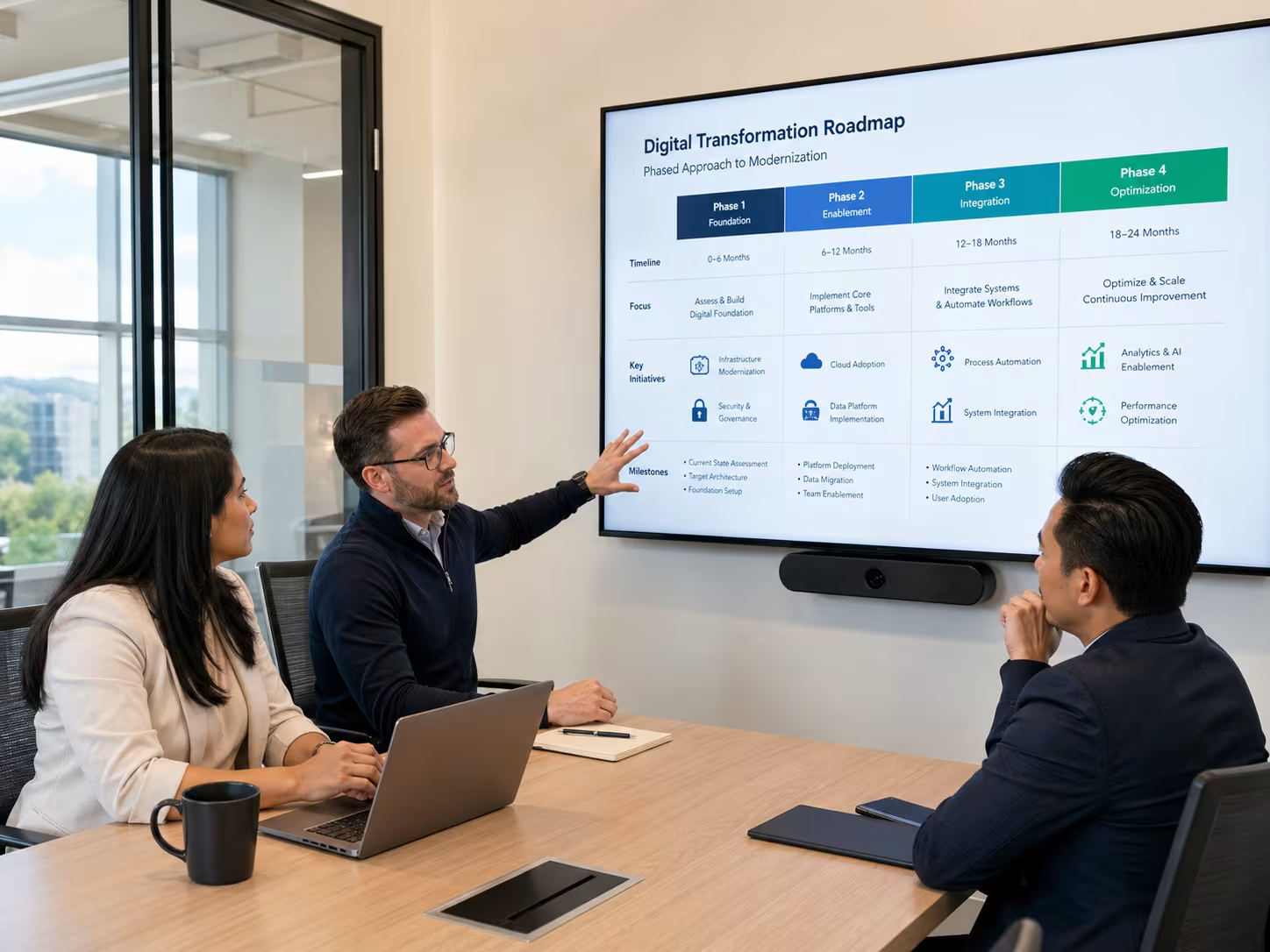
Break down your roadmap into phases with clear milestones. This helps you manage resources, measure progress, and adjust plans as needed.
Step 6: Monitor, measure, and adapt
Track key metrics to see what’s working and what isn’t. Be ready to adjust your roadmap based on feedback and changing business needs.
Essential features of a digital transformation roadmap
A strong digital transformation roadmap should include these core features:
Clear alignment with business goals and strategy
Defined roles and responsibilities for all stakeholders
A phased timeline with milestones and deliverables
Plans for legacy system modernization and IT infrastructure replacement
Metrics and analytics for measuring success
Flexibility to adapt to new technologies and changing needs
The importance of a digital transformation strategy
Having a digital transformation strategy is crucial for long-term success. It ensures that your roadmap is not just a list of projects, but a coordinated plan that delivers real business value. A strong strategy helps you integrate technology into every part of your business, from supply chain to customer service.
Your strategy should also consider how to accelerate adoption and overcome resistance. By focusing on both the technical and cultural sides of change, you can build an ecosystem that supports innovation and growth. This approach helps organizations stay ahead of competitors and deliver better customer experiences.
How to align your roadmap for digital transformation
Aligning your roadmap for digital transformation means making sure every step supports your overall business goals. Here’s how to do it effectively:
Step 1: Involve leadership from the start
Leadership buy-in is essential for success. When leaders are involved, it’s easier to secure resources and keep everyone focused on the same goals.
Step 2: Communicate the vision clearly
Share your vision and objectives with the entire organization. Clear communication helps reduce confusion and builds support for your digital transformation journey.
Step 3: Integrate new technologies thoughtfully
Don’t adopt technology just for the sake of it. Make sure each new tool or system fits your business needs and adds measurable value.
Step 4: Foster a culture of agility
Encourage teams to be flexible and open to change. An agile mindset allows you to adapt quickly as new challenges or opportunities arise.
Step 5: Use data-driven decision making
Leverage analytics to guide your decisions. Data helps you identify trends, measure progress, and make informed adjustments to your roadmap.
Step 6: Build a supportive ecosystem
Work with partners, vendors, and other stakeholders to create an environment that supports ongoing digital change. A strong ecosystem can accelerate your progress and help you stay competitive.
Practical considerations for implementing your digital transformation roadmap
Implementing a digital transformation roadmap requires careful planning and execution. Start by building a cross-functional team with the right mix of skills and experience. Make sure everyone understands their roles and responsibilities.
It’s also important to manage change effectively. Provide training and support to help employees adapt to new systems and processes. Monitor progress regularly, using analytics and feedback to identify issues early and make necessary adjustments. By staying flexible and responsive, you can keep your transformation initiative on track and deliver lasting business value.
Best practices for accelerating digital transformation
Speeding up your digital transformation can give you a competitive edge. Here are some best practices to follow:
Set clear priorities and focus on high-impact projects first
Invest in employee training to build digital skills
Use agile methods to deliver results quickly and adapt to change
Regularly review and update your roadmap based on feedback
Collaborate with partners to access new technologies and expertise
Celebrate quick wins to build momentum and keep teams motivated
Following these practices can help you avoid common pitfalls and achieve your digital transformation goals faster.
How RTC Managed Services can help with the digital transformation roadmap
Are you a business with 40-80 employees looking to modernize your operations and accelerate your digital transformation roadmap? Growing organizations often face challenges with legacy system modernization and IT infrastructure replacement, especially when trying to align technology with business goals.
We understand the unique needs of businesses like yours. Our team at RTC Managed Services specializes in building data-driven digital transformation strategies that deliver measurable business value. Contact us today to see how we can help you create a roadmap for digital transformation that supports your growth and success.
Frequently asked questions
What is a digital transformation roadmap, and why do we need one?
A digital transformation roadmap is a structured plan that guides your organization through adopting new technologies and processes. It helps you align your digital transformation journey with business goals, ensuring every initiative supports your overall strategy.
By having a clear roadmap, you can manage your timeline, track key metrics, and measure business value. This approach helps organizations avoid wasted resources and ensures everyone is working toward the same objectives.
How do we start legacy system modernization and IT infrastructure replacement?
Begin by assessing your current IT systems and identifying areas that need improvement. Legacy system modernization and IT infrastructure replacement often require careful planning to minimize disruption.
Work with stakeholders to prioritize which systems to update first. By integrating new technologies in phases, you can accelerate progress and reduce risks during your digital change.
What are the key elements of a successful strategy roadmap?
A successful strategy roadmap includes clear objectives, defined roles, and a phased approach to implementation. It should also outline how to measure progress using analytics and key metrics.
Including input from stakeholders ensures the roadmap aligns with your business model and supports organizational goals. This helps organizations stay focused and achieve better results.
How can we align our digital transformation strategy with business goals?
To align your digital transformation strategy, involve leadership early and communicate your vision clearly. Make sure every step in your roadmap supports your business model and long-term objectives.
Regularly review your progress and adjust your strategy based on feedback and changing needs. This approach helps organizations stay agile and competitive in a fast-changing ecosystem.
What are the common challenges in digital transformation for mid-sized businesses?
Mid-sized businesses often face challenges such as limited resources, resistance to change, and difficulty integrating new technologies. Managing stakeholder expectations and building digital skills are also common hurdles.
Overcoming these challenges requires a clear roadmap, strong leadership, and a willingness to adapt. By focusing on business value and involving all stakeholders, you can accelerate your digital transformation journey.
How do we measure the success of our digital transformation initiative?
Success is measured by tracking key metrics such as improved customer experiences, increased efficiency, and business value delivered. Use analytics to monitor progress and identify areas for improvement.
Set clear goals and review them regularly to ensure your initiative stays on track. This data-driven approach helps organizations achieve their digital transformation objectives and maintain a competitive advantage.
Founded in 2007 by Jeremy Kopp, RTC Managed Services is built on the belief that every business deserves high-quality, reliable IT support without the complexity and unpredictability of traditional models.

.jpeg)





.svg)
.svg)
