Zero Trust Architecture: Benefits, Use Cases & Implementation
Discover how zero trust architecture protects your business, reduces risk, and supports secure access. Learn practical steps, benefits, and use cases for implementation.

Learn how to conduct an IT security audit, avoid common mistakes, and improve your cybersecurity with practical steps and audit checklist tips.
.jpeg)
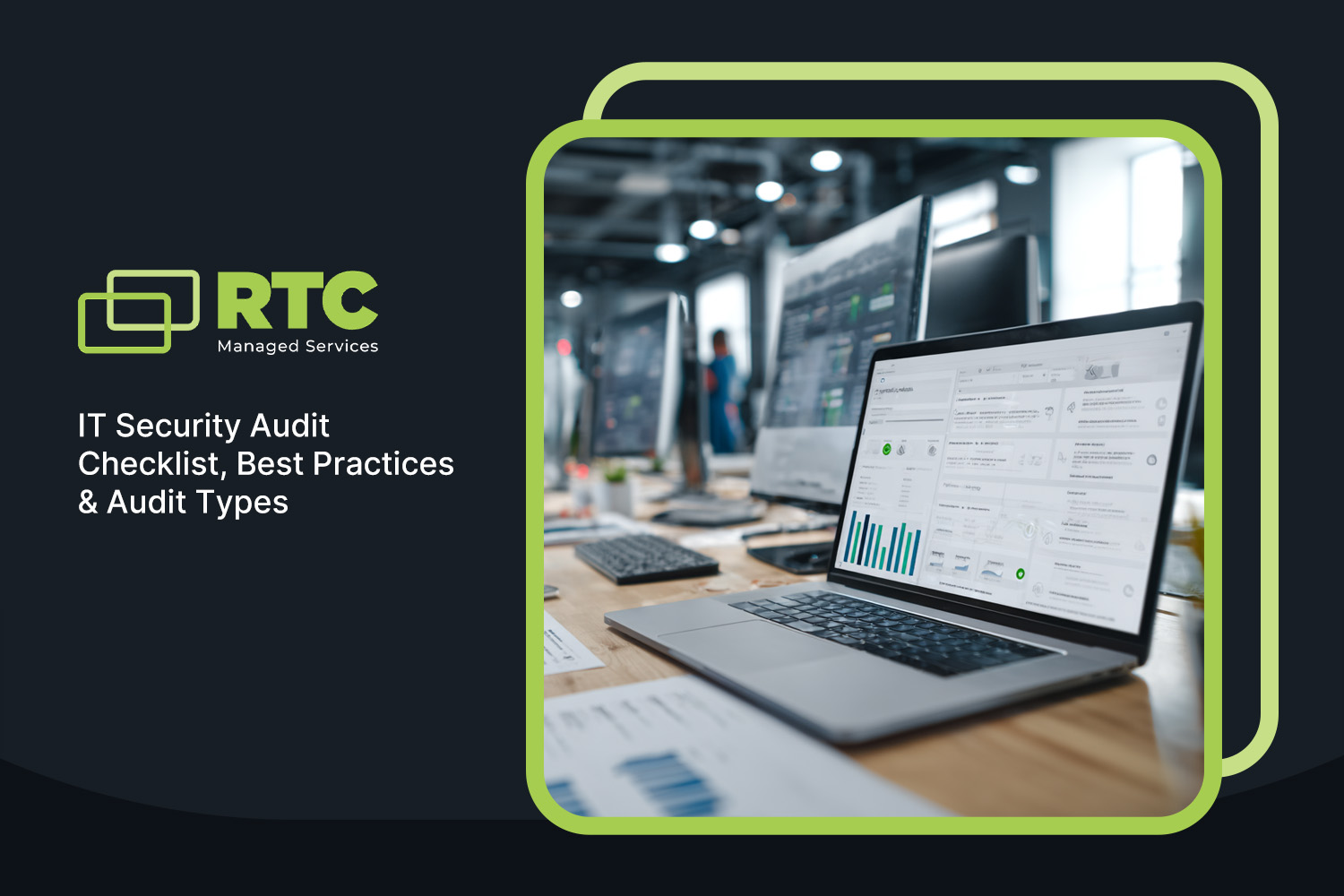
Conducting an IT security audit is one of the most effective ways to protect your business from cyber threats. Whether you're meeting compliance requirements or just want to improve your security posture, understanding how audits work is essential. In this blog, you'll learn what an IT security audit involves, how to conduct one, common mistakes to avoid, and best practices to follow. We'll also cover the different types of audits, how often they should be done, and what tools and checklists can help.
An IT security audit is a structured process that reviews your organization’s digital systems, policies, and controls to find weaknesses and ensure compliance with internal and external standards. It helps you understand where your risks are and what needs to be fixed.
Audits are typically performed by an internal team or an external auditor. They assess everything from your network setup to your data protection practices. A good audit helps you spot gaps in your security program before they become real problems. It also ensures your business meets security requirements set by industry standards or regulations.

A successful audit starts with a clear plan. Below are the key steps you should follow to make sure your audit is thorough and useful.
Start by deciding what systems, departments, or locations will be included. This helps avoid confusion and ensures the audit stays focused. Be clear about what you want to achieve—whether it's compliance, risk reduction, or both.
Check your current security policies and procedures. Are they up to date? Do they cover all necessary areas like password management, access control, and incident response? This review sets the baseline for your audit.
Look at potential IT security threats that could impact your business. This includes both internal and external risks. Use tools or frameworks to measure how likely each threat is and how much damage it could cause.
Assess the technical and administrative controls you have in place. This includes firewalls, antivirus software, encryption, and employee training. Make sure these controls are working as intended.
Record everything you find—both the strengths and the weaknesses. This documentation will help you prioritize what needs to be fixed first and track your progress over time.
Based on your findings, develop a plan to address the issues. Assign responsibilities, set deadlines, and make sure leadership is on board. This step turns your audit into real improvements.
Security isn’t a one-time task. Plan regular follow-up audits to ensure your fixes are working and to catch new issues as they arise.
Regular audits offer several advantages that go beyond just checking boxes.

There are different types of cybersecurity audits, each with its own focus. Some are designed to meet regulatory requirements, while others are more about improving internal processes. Knowing the difference helps you choose the right one for your needs.
A compliance audit checks if your business meets specific legal or industry standards, like GDPR or HIPAA. These audits are often required and can result in penalties if not passed. On the other hand, internal audits are more flexible and focus on improving your systems and policies. They’re useful for preparing for external audits or just tightening up your security program.
Cybersecurity audits can also vary by scope. Some focus on network security, while others look at data protection or user access controls. Choosing the right type of audit depends on your business goals and the risks you face.
Different audits serve different purposes. Here’s a breakdown of the most common types and what they focus on.
Conducted by your own team, this audit helps you find and fix issues before an external party gets involved. It’s flexible and can be done more frequently.
Performed by a third-party auditor, this audit is often required for compliance. It provides an unbiased view of your security posture.
Focused on meeting specific regulatory standards. These audits are mandatory in many industries and can be complex.
Looks closely at your IT systems, including software, hardware, and network configurations. It’s useful for spotting technical flaws.
Examines how your security policies and procedures are being followed. It checks if your team is doing what they’re supposed to do.
Targets areas with the highest risk. This type of audit helps you use your resources more effectively by focusing on what matters most.
If you use cloud services, this audit checks how secure your cloud environment is. It’s becoming more important as more businesses move to the cloud.

Getting started with an audit doesn’t have to be overwhelming. First, assign a responsible person or team to lead the process. They should understand both your IT systems and your business goals.
Next, gather the tools and resources you’ll need. This might include audit software, checklists, or external consultants. Make sure everyone involved knows their role and what’s expected. Finally, communicate the results clearly and take action on the findings. An audit only helps if you follow through.
Following best practices can make your audits more effective and less stressful.
A well-run audit not only protects your systems but also builds a culture of accountability.

Are you a business with 40–80 employees looking to strengthen your cybersecurity? As your company grows, so do the risks. You need more than just antivirus software—you need a full IT security assessment to stay ahead of threats.
At RTC Managed Services, we help businesses like yours conduct IT security audits that actually make a difference. Our team handles everything from planning to execution, so you can focus on running your business. Let us help you identify risks, meet compliance goals, and improve your overall security.
An audit is a general review process used to evaluate systems, processes, or compliance. A security audit specifically focuses on your IT systems and how well they protect against cyber threats. It looks at your security controls, policies, and practices to find gaps.
Security audits help improve your security posture and reduce the risk of data breaches. They also ensure your business meets security requirements set by industry regulations or internal policies.
Audit frequency depends on your industry, compliance needs, and risk level. However, most businesses should conduct an IT security audit at least once a year. High-risk industries may need to do it more often.
Regular audits help you stay ahead of cyber threats and keep your systems secure. They also support your internal audit process and help you prepare for external audits.
A good security audit checklist should cover areas like network security, access controls, data protection, and incident response. It should also include policy reviews and employee training.
Using a checklist ensures nothing is missed during the audit. It also helps standardize the audit process and makes it easier to track improvements over time.
Types of IT security include network security, application security, endpoint security, and cloud security. Each type focuses on a different part of your IT environment.
Understanding these types helps you build a more complete security program. It also helps you choose the right type of audit for your business needs.
A cybersecurity audit looks at your overall security posture and how well you protect against threats. A compliance audit focuses on whether you meet specific legal or industry standards.
Both are important. A cybersecurity audit helps you improve, while a compliance audit ensures you meet external requirements. Together, they provide a full view of your security health.
To conduct a security audit, start by defining your goals and scope. Then review your current security measures, identify risks, and document your findings. Finally, create an action plan and schedule follow-ups.
This process helps you find and fix issues before they become serious. It also supports your cybersecurity framework and builds a stronger security culture.


.svg)
.svg)